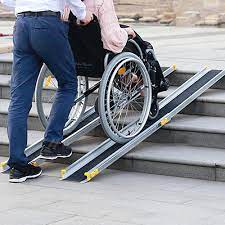
Wheelchair ramps play a crucial role in ensuring accessibility for individuals with mobility limitations. These inclined plane structures empower wheelchair users to navigate different levels and overcome obstacles that may hinder their ability to move freely. By providing a safe and convenient alternative to stairs or steps, wheelchair ramps enable individuals to maintain their independence, participate in activities, and access various public spaces.
Whether it is for private residences, public buildings, or businesses, wheelchair ramps offer a practical solution that promotes inclusivity and equality. They are designed to meet specific guidelines and requirements to ensure they are safe and effective for use by individuals with disabilities. In this article, we will explore the importance of wheelchair ramps in creating accessible environments, discuss different types of ramps available, highlight key design considerations, and provide guidelines for proper installation.
The Importance of Medical Wheelchair Ramps
Medical wheelchair ramps are crucial for providing accessibility and independence to individuals with limited mobility. These ramps play a significant role in improving the quality of life for people who use wheelchairs or other mobility aids.
One of the main benefits of medical wheelchair ramps is that they allow individuals to navigate their surroundings with ease. Whether it’s accessing a public building, entering a home, or maneuvering through different levels within their own residence, ramps provide a safe and convenient solution. By eliminating barriers such as stairs or curbs, individuals can maintain their independence and participate fully in society.
Wheelchair ramps also promote inclusivity and equality by ensuring that individuals with mobility limitations have equal access to public spaces. This is especially important for businesses and buildings, as it allows them to comply with disability access regulations and demonstrate their commitment to accommodating all customers or visitors.
Furthermore, medical wheelchair ramps not only benefit those who use wheelchairs but also individuals who depend on other mobility aids, such as walkers or crutches. These ramps provide a smooth transition between levels, eliminating the need for individuals to exert excessive effort or risk potential falls while trying to navigate over obstacles.
In addition to accessibility, medical wheelchair ramps also enhance safety. They are designed specifically to meet guidelines and requirements that ensure they are sturdy, slip-resistant, and can safely support the weight of a wheelchair user. This minimizes the risk of accidents or injuries and provides peace of mind for both the user and their caregivers.
Overall, wheelchair ramps play a crucial role in creating accessible environments for individuals with limited mobility. By providing a practical solution that promotes independence, inclusivity, and safety, these ramps empower individuals to live their lives without limitations and participate fully in society.