
Are you tired of dealing with leaky or outdated faucets in your home? If so, it may be time to consider replacing them with newer, more efficient models. Not only can a new faucet improve the overall appearance of your kitchen or bathroom, but it can also help save you money on your water bill by reducing leaks and increasing water efficiency.
In this article, we will discuss the benefits of replacing your faucets, how to choose the right faucet for your needs, and provide step-by-step instructions on how to replace them yourself. Whether you are looking to update the look of your bathroom or kitchen, or simply want to stop dealing with frustrating leaks, replacing your faucets can be a simple and cost-effective solution.
Benefits of Replacing Your Faucets
Upgrading your faucets can bring various benefits to your home. Newer models not only enhance the aesthetic appeal of your kitchen or bathroom but also contribute to water conservation and cost savings. By investing in faucet replacement, you can reduce water wastage due to leaks and improve the overall efficiency of your plumbing system. Additionally, modern faucets come with features such as touchless technology and adjustable water flow, providing convenience and customization according to your needs.
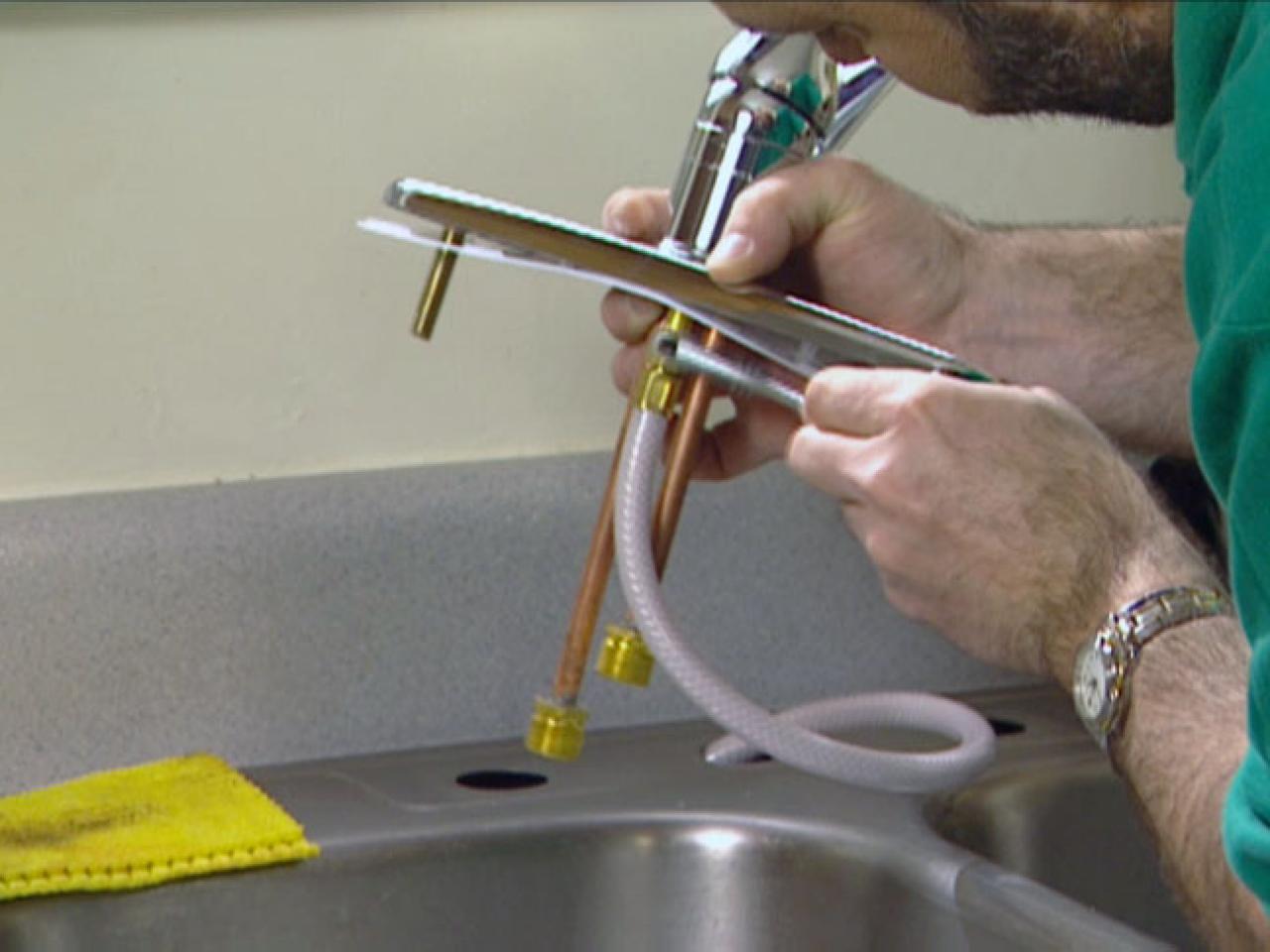
Choosing the Right Faucet for Your Needs
Selecting the appropriate faucet involves considering factors like design, finish, functionality, and compatibility with your existing plumbing setup. Whether you prefer a sleek, contemporary look or a classic design, there are numerous options available to suit your style. When researching faucets, make sure to evaluate the quality of materials used and check for features like ceramic disc valves for durability and smooth operation. By understanding your requirements and prioritizing durability and efficiency, you can make an informed decision when selecting a new faucet for your home.
Installing Your New Faucet
To replace your old faucet with a new one, start by turning off the water supply to the faucet. Next, disconnect the supply lines and loosen the nuts holding the faucet in place. Remove the old faucet and clean the area before installing the new one. Follow the manufacturer’s instructions for installing the new faucet, making sure to securely fasten it in place and reconnecting the supply lines. Once everything is connected, turn on the water supply and test for leaks. With a new, efficient faucet in place, you can enjoy improved functionality, reduced water wastage, and a refreshed look in your kitchen or bathroom.