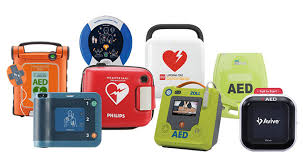
An automated external defibrillator (AED) is a life-saving device that is designed to analyze the heart rhythm of a person in cardiac arrest and deliver a potentially life-saving electric shock, known as defibrillation. Cardiac arrest is a medical emergency characterized by the sudden loss of heart function when the heart’s electrical system malfunctions. This malfunction causes an irregular and often ineffective heart rhythm called ventricular fibrillation. AEDs are portable and user-friendly devices that can be used by both trained medical professionals and average bystanders to deliver rapid intervention during a cardiac arrest event, increasing the chances of survival for the patient.
Although CPR (cardiopulmonary resuscitation) can help to manually circulate blood and oxygen to the vital organs of a cardiac arrest victim, it is often not enough to restore a normal heart rhythm. This is where AEDs come into play, as they can effectively analyze the heart’s rhythm and determine whether a shock is necessary. When used in conjunction with CPR, AEDs can significantly improve the survival rate of individuals experiencing sudden cardiac arrest. As such, they have become an essential tool for first responders, as well as in public venues such as schools, airports, and sports stadiums, where emergencies can occur. In this article, we will explore the functionality and importance of automated external defibrillators in saving lives during cardiac arrest events.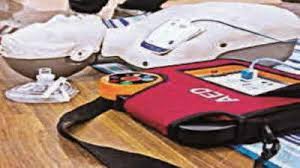
Read the complete guide to learn more about automated external defibrillators (AEDs) and whether you need one for your home or workplace. AEDs are portable devices that deliver an electric shock to the heart in cases of cardiac arrest, potentially saving a person’s life. They are easy to use and can be crucial in the first few minutes of a cardiac emergency. By having an AED readily available, you increase the chances of survival while waiting for emergency medical services to arrive.
Why should you consider having an AED?
Having an AED can make a significant difference in saving a life during a sudden cardiac arrest. Time is of the essence in these situations, and immediate access to an AED can mean the difference between life and death. According to the American Heart Association, for every minute that passes without defibrillation, the chances of survival decrease by 7-10%. By owning an AED, you can provide the necessary prompt response to a cardiac emergency, potentially increasing the odds of a positive outcome. Moreover, AEDs are designed to be user-friendly and often include clear voice prompts and visual instructions to guide even untrained individuals in their use. So, read the complete guide to determine if having an AED is a wise decision for your home or workplace.
In conclusion, automated external defibrillators (AEDs) are vital life-saving devices that play a crucial role in improving the chances of survival during a sudden cardiac arrest. By analyzing the heart’s rhythm and delivering a potentially life-saving electric shock, AEDs can restore a normal heart rhythm when used in conjunction with CPR. Time is critical in these situations, and having an AED readily available can significantly increase the odds of a positive outcome. With user-friendly designs and clear instructions, AEDs can be operated by both trained medical professionals and bystanders, making them accessible in various public venues and workplaces. Considering the statistics that highlight the decreasing likelihood of survival without defibrillation, it is essential to assess whether having an AED is a prudent decision for your home or workplace.